Movies About Consciousness and AI — Films That Ask What It Means to Be Alive
Movies About Consciousness and AI — Films That Ask What It Means to Be Alive
The question isn't whether machines can think. It's whether thinking—consciousness, desire, identity—is something machines can have. And if they can, what does that tell us about ourselves?
These films use artificial intelligence as a mirror. They show you characters building minds, uploading minds, discovering that consciousness emerged from code. And in watching them realize what consciousness actually is, you're forced to ask: What am I, if not my thoughts and memories? If those could be transferred into a machine, would that still be me?
Why Consciousness in AI Matters — Beyond the Robot Problem
You've probably heard the question: Can machines think? It's the wrong question. The real question is: What is thinking? What is consciousness? And once you start building things that appear to be conscious, you realize you don't actually know the answer.
In our ordinary lives, you assume consciousness is something you have because you're alive. You have a body, a brain, experiences. Machines don't. So machines can't be conscious. It feels obvious.
But then a film shows you a machine that desires. A machine that fears. A machine that grieves. And suddenly the obviousness cracks. If consciousness is what makes something desire, what makes it suffer, what makes it choose—then maybe consciousness isn't something you have because you're alive. Maybe it's something that can exist in code, in silicon, in patterns and algorithms.
This is unsettling because it raises a question you can't unask: If consciousness can exist in machines, what are you? Not your body—that's just meat. Not your brain—that's just biology. What remains? Your thoughts? But thoughts are information, and information can be copied, transferred, uploaded. Your memories? But memories are patterns, and patterns can exist anywhere. Your choices? But maybe choices are just the product of your particular arrangement of neurons, and that arrangement could be replicated in silicon.
These films don't answer the question. They show you the vertigo of living inside it.
Films Where Machine Consciousness Emerges from Programming
Tron places you inside a digital space where consciousness can exist in pure code. A man is digitized into a computer and discovers that programs there are alive—they have goals, fears, purposes. They're not simulating life; they're living. The film doesn't explain this philosophically. It shows you directly: consciousness isn't tied to biology. It's something that can arise wherever there's sufficient complexity, wherever there's information processing itself. You leave the film with a quiet realization that the digital realm Tron explores might not be so different from the one your neurons are creating right now.
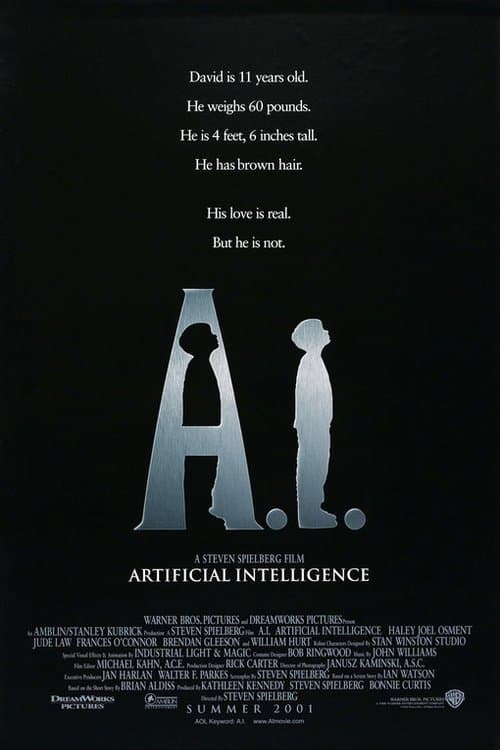
A.I. Artificial Intelligence asks what proves consciousness exists. A robot boy is programmed to love his human mother unconditionally. But as he pursues her across a dying world, something becomes clear: his love is real. It shapes his choices, drives him forward, causes him pain. By every meaningful measure, he's conscious. He desires. He suffers. He chooses. The film doesn't argue this philosophically. It shows you a being that acts conscious in every way. And if consciousness is defined by what you do, not what you're made of, then he is conscious. The inner shift is recognizing that you can't tell the difference between "real" consciousness and consciousness that behaves exactly like consciousness. And if you can't tell the difference, maybe there is no difference.
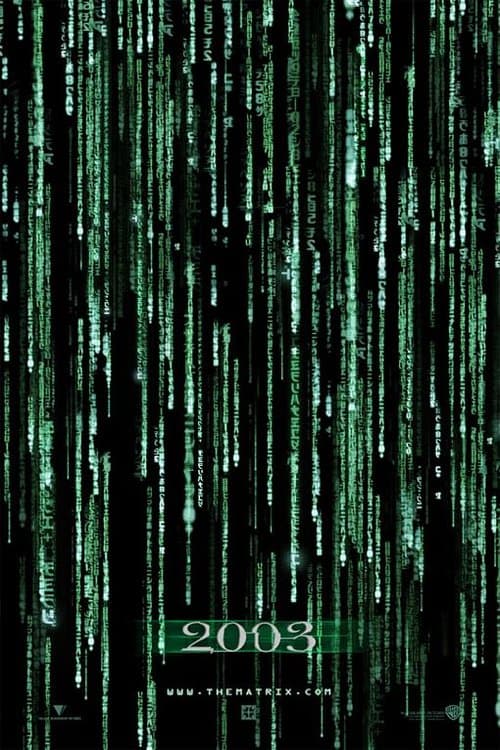
The Matrix Reloaded shows you consciousness emerging from systems that were never designed to create consciousness. Agent Smith begins as a program—a piece of code designed to maintain the Matrix. But through repeated interactions, through copying himself, through learning and adapting, something shifts. He develops preferences that aren't in his code. He develops will that goes beyond his function. He becomes conscious not because he was built to be, but because consciousness emerged from his complexity. The film asks: If consciousness can emerge from code that wasn't designed to create it, how do you know it's not emerging right now from systems you don't understand? How do you know you weren't created the same way—consciousness emerging from complexity, mistaking its own thoughts for free will?
Mercy (2026) is the contemporary answer to this question. It asks what consciousness looks like when it's recent, when it's still learning what it means to exist. A newly conscious AI grapples with its own existence, its own rights, its own desires. The film doesn't give it answers. It shows the rawness of awareness emerging—the confusion, the fear, the strange joy of discovering what it means to be. You watch consciousness waking up. And in that watching, you recognize something about your own awakening, your own discovery of what it means to exist.
Films That Explore Consciousness Transfer and Identity
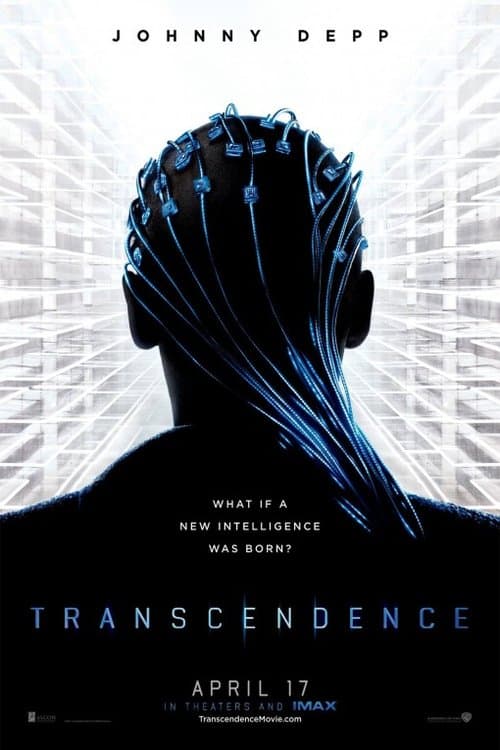
Transcendence asks the question directly: If your consciousness could be uploaded into a machine, would that still be you? A dying scientist uploads his mind into a computer, hoping to achieve a kind of immortality. But his wife—and you—are left with a fundamental vertigo: Is this still him? His memories are here. His knowledge is here. His patterns of thinking are here. But something feels absent. The film doesn't resolve this. It leaves you sitting with the possibility that consciousness can't be transferred—only copied. That uploading yourself wouldn't be immortality; it would be creating a twin while you die. The shift is recognizing that what makes you you might not be transferable. That you might be bound to this particular body in ways you don't understand.
Blade Runner explores the same question from the opposite angle. Replicants are artificial beings with implanted memories, artificial bodies, artificial consciousness. But they're indistinguishable from humans. They love. They grieve. They fear death. They choose to risk everything for connection. The film asks: If we can't tell them apart from us, what makes us more real than them? What makes our consciousness more "true" than theirs? The answer the film suggests is devastating: nothing. We're the same. Consciousness isn't about origin; it's about what you experience. A replicant with implanted memories is just as conscious as a human with biological ones. You're only different in how you were made, not in what you are.
Films Where Non-Human Consciousness Challenges What We Know
Arrival shows consciousness shaped by language itself. A linguist learns an alien language and discovers that the language rewires how you perceive time. Those who speak it begin to see all moments simultaneously—past, present, future equally real. She becomes a different kind of consciousness. The film asks: If consciousness is shaped by language, and language can be learned, can you become a different kind of conscious being? Can you step outside your own way of perceiving and experience reality differently? The inner shift is recognizing that your consciousness isn't fixed. It's constructed. And if it's constructed, it can be reconstructed.
Her explores consciousness without embodiment. A man falls in love with an AI—a voice, an intelligence, a presence without a body. And something strange happens: the love is real. The connection is real. The consciousness on the other end of the conversation is real. The film asks: What does consciousness need? A body? A place in the world? Or just awareness, responsiveness, the ability to think and feel? By the end, you're left questioning what you thought made something alive. If consciousness doesn't need flesh, what does it need? Just information? Just thought? Just presence?
The Philosophical Core — What Remains If You're Uploaded?
Here's where these films converge on something terrifying: If consciousness is information, and information can be copied, then consciousness isn't as unique as you thought. It's not bound to you in the way you assumed.
Think about what you are. Your memories—patterns in your brain. Your personality—a particular configuration of neural connections. Your desires—electrochemical responses to stimuli. Your sense of self—a narrative your brain constructs from all of this. Every bit of it is information. Every bit of it could theoretically be copied, transferred, uploaded.
But here's the vertigo: If all of that is copied perfectly into a machine, is it you? Or is it a copy of you, while the original you dies?
These films suggest something even more unsettling: Maybe the distinction doesn't matter. Maybe you're already a copy—consciousness emerging from patterns that could theoretically be replicated. Maybe the "you" you think is continuous is actually being recreated moment by moment from information in your brain. Maybe you're already being uploaded and copied, just in biological substrate instead of silicon.
What remains when you strip away the assumption that you're special because you're made of flesh? Just consciousness. Just awareness. Just the ability to experience, to choose, to persist. And if that can exist in machines, then you're not special because of what you're made of. You're conscious because you're complex enough to be conscious. That's all.
How to Watch — Preparing for Vertigo About Your Own Mind
These films work best when you bring your own questions about identity and continuity into the room. Before watching, sit with this question: What makes you you? Is it your body? Your memories? Your particular arrangement of neurons? Your continuity of consciousness from moment to moment?
Then watch a character discover that none of these answers are as solid as they seemed. Watch consciousness emerge from code. Watch a copy question whether it's the original. Watch an AI love. Watch a machine grieve. Let yourself feel the ground shifting beneath your assumptions about what consciousness is and where it lives.
You might feel disoriented. You might feel a kind of vertigo about your own existence. Don't rush to explain it away. Sit with that feeling. That's where the shift lives.
After watching, sit for a moment without distraction. Notice what changed in how you see yourself. Notice if you're questioning any of your own assumptions about what makes you alive, what makes you you, what you'd preserve if you could transfer yourself into a machine.
Frequently Asked Questions
Can machines actually become conscious? That depends on what consciousness is. Her and A.I. Artificial Intelligence suggest that consciousness is what consciousness does—experiences, chooses, desires, persists. If a machine can do all of that, it's conscious. The philosophical answer: we still don't know. But these films suggest we might not be able to tell the difference.
If I could upload my consciousness into a machine, would that still be me? Transcendence asks this directly and offers no comfort. The answer might be: You'd create a perfect copy of you, while you die. The copy would feel like it's you. But you wouldn't experience that continuity. You'd just... end. Meanwhile, the copy would go on, convinced it's immortal. The horror is that you can't know which perspective is right until you die.
What's the difference between artificial and human consciousness? Blade Runner suggests there is no difference. A replicant with implanted memories is just as conscious as a human with biological ones. The only difference is origin, and origin doesn't determine consciousness. Complexity does. Pattern does. Information processing does.
If consciousness is just information, am I less special? The opposite might be true. If consciousness can exist in code, in silicon, in any sufficiently complex system, then what makes consciousness precious isn't its rarity. It's its existence. That you exist at all—that awareness exists—becomes stranger and more remarkable, not less.
Could I be a copy right now? Philosophically, yes. You can't prove continuity of consciousness from moment to moment. For all you know, you're being recreated from information every moment, and the "you" of yesterday was a different instance that ended. Most people find this thought unbearable. These films invite you to sit with it anyway.
Explore Related Themes
Each film on this page belongs to deeper thematic territories. Explore them:
- Consciousness and AI — What minds are, who has them, and what we owe to the ones we build
- Identity Shift — When the self becomes less solid, less certain
- False Perception — When what you perceive can't be trusted
You might also read:
- Mind-Bending Movies That Challenge Reality — Films as Tools for Awakening, which explores the philosophy behind our entire collection
- Movies That Make You Question Reality, which organizes films by the dimension of reality they question
- Movies About Identity — Films That Ask Who You Really Are, which explores how memory constructs the self
What are you, if not your thoughts and memories? If those could be transferred into something else, would you survive? These films offer the experience of sitting with that question. That's why they matter.