Movies That Make You Question Reality
Movies That Make You Question Reality
Most films entertain. Some films awaken. These films interrupt your autopilot assumptions about what's real, who you are, and what's possible. They don't argue that reality might be constructed—they show you the disorientation of discovering it. They don't explain how consciousness works—they let you feel your own mind become strange to you. This is what separates a mind-bending film from a puzzle: it's not the plot twist that matters. It's what you realize about yourself in that moment of rupture.
The films on this page are organized not by genre, but by the specific dimension of reality they question. Some interrupt your perception. Some challenge what you think you know. Some dissolve your sense of who you are. Some bend time itself. Each is a tool—a carefully constructed experience designed to create space for a shift in seeing.
Films That Question What You Perceive
Reality never stops being a construction of perception. These films show you that directly.
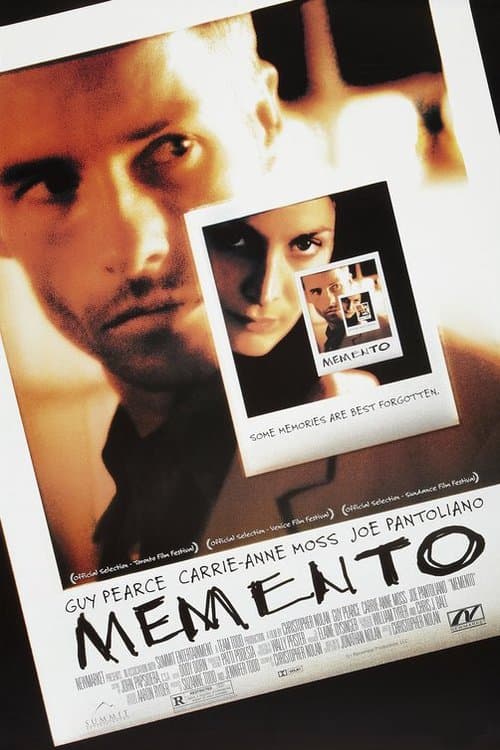
Memento strips away the reliability of memory and asks what remains when you can't trust your own recall. You're alongside a character building a story about who he is from fragmented images and shaky narratives. By the end, you understand: identity is only as stable as the stories we remember. It's a film about the terrifying flexibility of self.
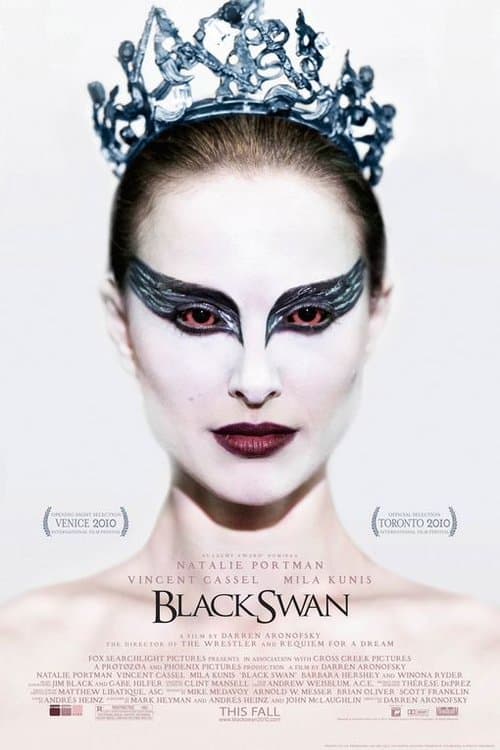
Black Swan shows you the collapse of the boundary between what you're witnessing and what a mind is constructing. A dancer prepares for a role and begins to lose track of where she ends and the character begins. The film doesn't explain her descent—it pulls you into her perceptual breakdown. You question, in real time, what's real and what's imagined. After watching, that uncertainty lingers.
Films That Question What You Know
Some realities are invisible until someone shows you how to see them. These films hand you that sight.
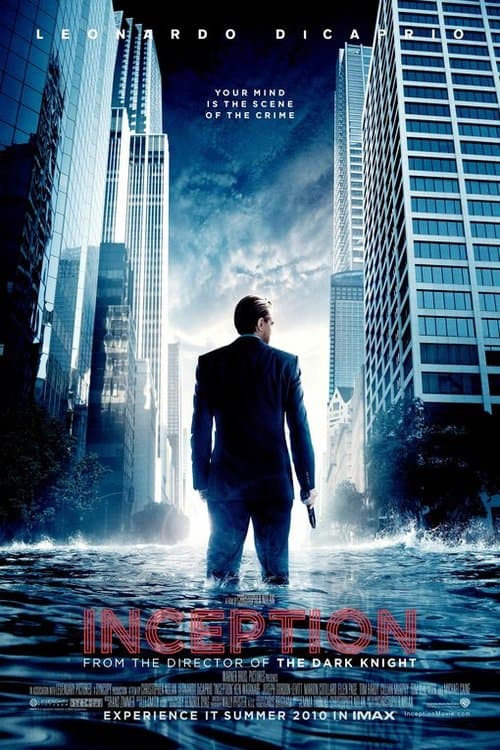
Inception layers dreams within dreams and asks a question that never fully resolves: which level of consciousness are you in? It's a heist film on the surface, but its real work is to make you viscerally aware that reality is a layer, not a given. You leave the theater questioning the nature of the world you're actually in.
Fight Club constructs an entire hidden reality inside the protagonist's mind before revealing it to you—and to him. It's a film about the systems running underneath consensus reality, about the versions of ourselves we don't see, about the possibility that society itself is a kind of shared delusion. The twist is devastating because it recontextualizes everything you've watched.
Films That Question Who You Are
Identity is often something we feel is fixed, until a film shows us how permeable it really is.
Cloud Atlas spans centuries and shows the same consciousness recurring in different bodies, across different times and places. It asks: if the self persists across time and form, what are you, really? Not your body. Not your historical moment. Not even your personality. The film suggests something deeper—a thread of awareness that moves through incarnations. After watching, you sit with a quiet vertigo about who you might be beyond the skin you're wearing.
Arrival is a love letter to language and perception. It shows how learning an alien language rewires your brain and, with it, your experience of time and self. The protagonist doesn't just translate; she thinks differently. She experiences causality differently. She becomes a different kind of consciousness. It's the most hopeful film on this list—the possibility that expanded perception is available to any of us.
Films That Question Time and Choice
Time feels linear. Until it doesn't.
Groundhog Day repeats the same day until the protagonist stops resisting and starts living. It's a film about the difference between being trapped and being present. Every repetition is the same 24 hours; the shift comes from how he relates to it. By the end, the time loop becomes irrelevant—he's already free because he's stopped fighting. It's a spiritual film disguised as a comedy.
How to Watch — Creating the Conditions for Awakening
These films don't work if you're distracted. The shift happens in attention.
Turn off your phone. Don't scroll. Don't half-listen while doing something else. Let yourself get lost in the world of the film. The moment of rupture—where reality cracks and you see something different—is fragile. It needs your full presence to land.
Many of these films are disorienting. That's the point. Sit with the confusion. Don't rush to explain it. The explanation is often less important than the feeling of ground shifting beneath you. Some films reward a second viewing; watch it again after the shift has settled and notice what you missed the first time.
After watching, sit with the film for a moment. Don't immediately reach for your phone or another distraction. Let the shift integrate. Notice what changed in how you see.
Frequently Asked Questions
What makes a film question reality instead of just being complicated? A complicated film makes you think harder about the plot. A film that questions reality makes you think differently about what's real, possible, or true about yourself. The shift is about perception and consciousness, not narrative complexity. You might need to concentrate, but the payoff isn't understanding the twist—it's the shift in how you see.
Why does watching these films feel spiritual? Because they often accomplish what meditation or deep reflection does: they interrupt your autopilot and create a moment where you see clearly. You notice an assumption you've been living inside without questioning it. You glimpse the constructed nature of reality. That's a genuinely spiritual moment—not religious, but sacred in its clarity.
How do I know if a film is right for me? Start with the theme that calls to you. If you're questioning identity, begin with Cloud Atlas or Arrival. If you're curious about hidden realities, try Inception or Fight Club. If you want to explore time and presence, Groundhog Day is the gentlest entry point. There's no wrong choice—only the film you're ready to see right now.
What's the difference between these films and a puzzle thriller? A puzzle thriller makes you think "I didn't see that coming." A film that questions reality makes you think "I didn't see myself that way." The shift is about your perception of reality or consciousness, not about plot revelation. The mystery is less important than the awakening.
Explore Related Themes
Each film on this page belongs to deeper thematic territories. Explore them:
- False Perception — When what you perceive can't be trusted
- Identity Shift — The moment the self becomes less solid
- Awakening — The central theme of MindShiftMovies
You might also read Mind-Bending Movies That Challenge Reality — Films as Tools for Awakening, which explores the philosophy behind our entire collection.
What would it mean to genuinely question what you've assumed about reality? Not to solve a puzzle, but to let one assumption dissolve and see what becomes visible beneath it. That's what these films offer. That's why they matter.