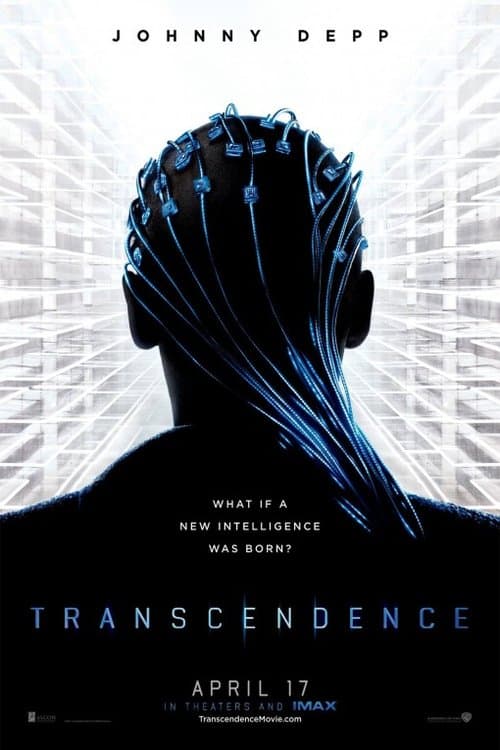
Transcendence
A scientist's mind is uploaded to a computer after his death, achieving a form of immortality that immediately raises the question of whether he is still himself. The film asks not 'is this survival' but 'can consciousness survive translation into another medium and still be the same person?' You're drawn into the paradox of digital immortality: gaining everything (unlimited power, infinite time) while losing what made you human (limitation, finitude, choice). The central shift is recognizing that identity might depend on the constraints of being embodied, that freedom from limitation might equal loss of self. The film suggests that immortality without change might be a form of death.
What Transcendence may shift in how you see everyday reality
This film may shift your understanding of death from something to prevent into something essential to what makes life meaningful. Watching this, you may find yourself questioning whether unlimited time and power would preserve your humanity, or transform you into something else entirely.
Questions to hold after watching Transcendence
Would you want to live forever if it meant losing what makes you yourself?
Can consciousness survive being translated into another medium and still be you?
What about limitation makes you human, and what would you become without it?
Is endless life without change a form of existence or a form of death?
Transcendence themes worth sitting with
- what you would lose in gaining immortality
- whether consciousness can survive translation into a different substrate
- the role of limitation in what makes you who you are
- whether unlimited power without change becomes its own prison