Jake Gyllenhaal Movies Ranked by What They Shift in You
Jake Gyllenhaal Movies Ranked by What They Shift in You
Jake Gyllenhaal movies are usually ranked by performance — which role went furthest. Ranked by what they leave in the person watching, the order changes: Donnie Darko first, Enemy and Nightcrawler close behind, and the larger films further down, because scale and aftermath are not the same measure.
Why Rank Jake Gyllenhaal Movies by Inner Shift
Gyllenhaal is usually discussed in terms of transformation — weight lost, weight gained, how far a role sat from the last one. That framing is about the actor. It tells you almost nothing about which film to put on tonight.
There is a different thread running through the work. Across three decades he keeps playing people who have built a working theory of themselves and then meet something the theory cannot hold. Sometimes the theory was never true. Sometimes it was true and quietly stopped being.
Either way, the films are less interested in the event than in the person afterward, still carrying a self that no longer fits. That is a rarer preoccupation than it sounds, and it is why so many of these films follow you home. What separates them is not how demanding the performance is, but how close that pressure gets to you. This ranking is ordered by that closeness.
Jake Gyllenhaal Movies Ranked by What They Shift in You
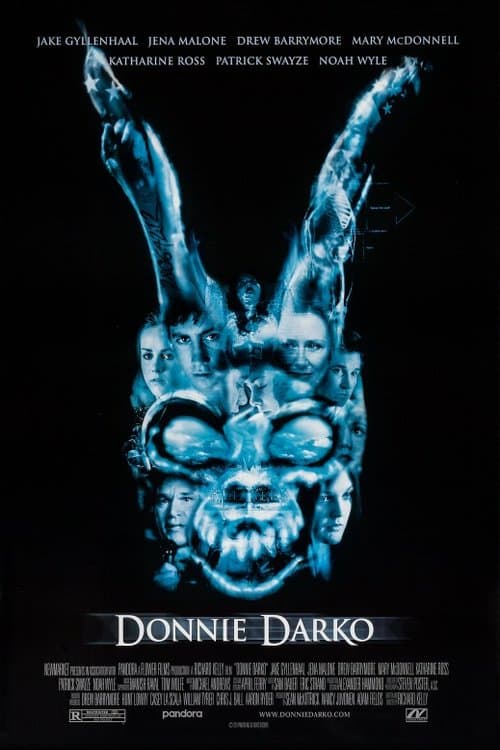
1. Donnie Darko — The Life You Assume Is Continuing
Donnie Darko sits at the top because it removes an assumption most films never go near: that the ordinary week you are in the middle of will simply keep going.
Watching this, you may find yourself noticing how much of your steadiness rests on an unspoken guarantee of more time — and how differently you would treat an unremarkable Tuesday without it. The film does not argue the point. It builds a mood in which the guarantee stops applying, and lets you feel the difference. We go further into what it asks of you in Donnie Darko explained.
2. Enemy — The Version of You That Chose Differently
Enemy is the least seen film on this list and the one that does the most damage, in the useful sense.
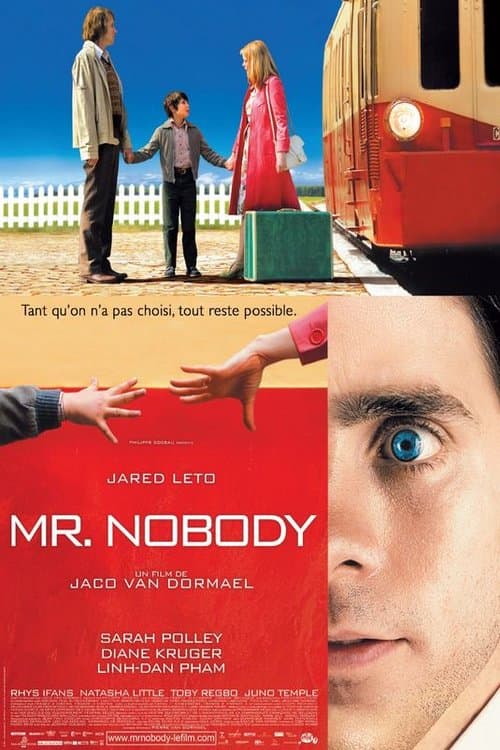
Its subject is the self you have been avoiding — the one with your face who wanted different things and did not talk himself out of them. This film may shift how honestly you can look at the parts of your life you describe as settled. It belongs squarely to Identity Shift. If it lands, Mr. Nobody asks a version of the same question with more warmth and fewer teeth.
3. Nightcrawler — What You Would Become With Permission
Nightcrawler is usually filed as a film about media. The part that stays is not about media at all.
It is about how quickly a person can assemble a self out of borrowed language and appetite, and how little resistance the world offers when the results are good. Watching this, you may find yourself examining the vocabulary you use about your own work — whose it actually is, and what it allows you not to notice. Fight Club circles the same drain from the other direction.
4. Zodiac — Living Without the Answer
Zodiac is close to three hours of a question refusing to close, and that refusal is the film's real offering.
It shifts your relationship to unfinished things: the problem you keep returning to, the conversation that never resolved, the explanation you are still owed. Most films train you to expect the click of resolution. This one leaves you in its absence long enough to notice how much of your attention is permanently parked there, waiting. It sits close to Letting Go of Control.
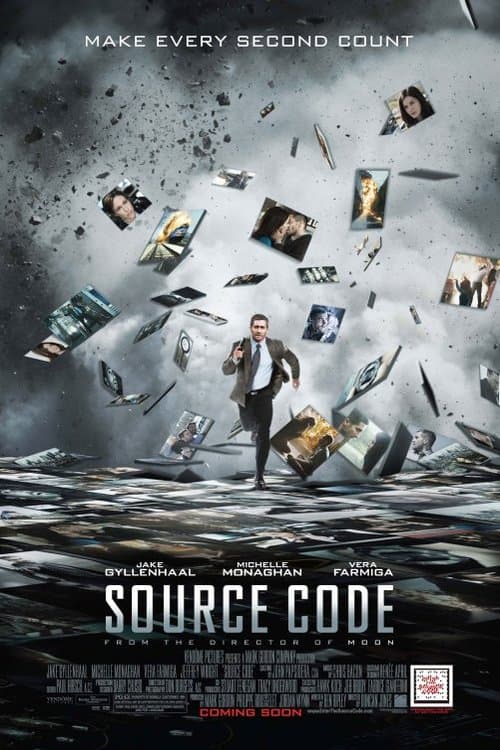
5. Source Code — What a Repeated Moment Is Worth
Source Code is the most accessible film here, and it earns its position with a question that outlasts its running time.
Given the same eight minutes again and again, what would you actually do with them? The film's answer is not the one the genre sets you up for, and it quietly reframes what a small, unremarkable stretch of time is for. 12 Monkeys reaches a heavier version of the same idea.
6. Nocturnal Animals — What You Did, Still Sitting There
Nocturnal Animals is the coldest film on this list and the one most likely to pull a specific memory out of you without asking.
Its shift has to do with the long tail of ordinary cruelty — not the dramatic kind, the small kind you barely registered at the time and the other person never put down. Watching this, you may find yourself doing an inventory you had not planned on. Amy Adams carries the other half of that unease; her side of the film is placed in Amy Adams movies ranked by what they shift in you.
7. Demolition — Grief That Does Not Look Like Grief
Demolition is uneven, and it is here because one thing in it is exactly right.
It understands that feeling is not always available on schedule, and that the distance between what you should feel and what you actually feel can become its own kind of loss. This film may shift how much patience you extend to yourself, or to someone close to you, for not reacting correctly. Eternal Sunshine of the Spotless Mind holds the same difficulty with more tenderness.
8. Prisoners — Certainty Without Time to Check It
Prisoners is the most gripping film here and the one that asks the least of you afterward.
Its question — what you would do with certainty on your side and no room to verify it — is worth holding. But the film delivers that question inside its own frame and closes it there, where the films above hand it over and leave. It has more to do with False Perception than its thriller shape suggests. It was directed by Denis Villeneuve, and the same ranking method applied to his full filmography is in Denis Villeneuve movies ranked by what they shift in you.
Where the Newer and Earlier Films Sit
In the Grey arrived in May 2026 and sits outside this ranking for the reason most action films do — it is built to be experienced rather than carried. Remain, made with M. Night Shyamalan, is scheduled for February 2027 and has not been seen yet. A ranking by inner shift needs enough distance to know what actually stayed, and an unreleased film cannot be placed honestly.
Several earlier films sit outside for a different reason. Brokeback Mountain, Stronger and Jarhead are the ones most often named in the case for him as an actor, and the case is a fair one. But their weight is largely delivered in the watching. The films above keep working after.
How to Watch a Gyllenhaal Performance for the Shift
Watch the face in the quiet stretches rather than the large scenes.
These films tend to keep their real information in the moments where nothing is being decided — a man waiting, driving, listening to someone else talk. That is usually where the gap opens between who the character says he is and what is actually running underneath. If you are waiting for the scene everyone quotes, you will likely catch the performance and miss the shift.
Frequently asked questions
What are the best Jake Gyllenhaal movies?
Ranked by what they leave in you rather than by scale, Donnie Darko comes first, followed by Enemy and Nightcrawler. Donnie Darko holds the top position because it unsettles the assumption sitting underneath an ordinary week — that there will be more of them.
What Jake Gyllenhaal movie should I watch first?
Source Code is the most forgiving entry point. It works as a straight thriller and leaves its real question with you afterward, without demanding anything on a first viewing. If you want the version that asks more immediately, start with Enemy and give it a full day before deciding what you think.
What is the most disturbing Jake Gyllenhaal movie?
Enemy, by most accounts, though the discomfort is psychological rather than graphic. Nightcrawler is colder and more plausible, which some people find worse. If unsettling films are what you are after, our collection of movies that make you question reality ranges wider than one actor.
Are Jake Gyllenhaal movies worth rewatching?
Several are, for a specific reason: these performances tend to hide their key information in stillness, which is hard to catch while you are still following the story. Donnie Darko and Enemy both change shape on a second viewing — less from details you missed than from what you notice him not saying.
What Jake Gyllenhaal movies are about identity and the self?
Enemy, Donnie Darko and Nightcrawler are the clearest three, each from a different angle: the self you avoided, the self that may not continue, and the self assembled from borrowed language. They sit closest to Identity Shift, and our guide to movies that make you question reality pairs well with them.
A ranking like this is really a claim about aftermath — which films are still doing something in you a week later. If that measure interests you more than the usual one, we apply it to a director in Christopher Nolan movies ranked by what they shift in you, where the same question meets a very different body of work.
Want one film like this every Friday? Join the Friday MindShift.