Amy Adams Movies Ranked by What They Shift in You
Amy Adams Movies Ranked by What They Shift in You
Amy Adams movies are usually ranked by awards attention — which nomination, which year, which role the industry rewarded. Ranked by what they leave in the person watching, the order changes: Arrival first, Nocturnal Animals and The Master close behind, and the lighter films further down, because warmth and aftermath are different measures.
Why Rank Amy Adams Movies by Inner Shift
Adams is usually described through range: fairy-tale optimist in one film, hardened operator in the next. That framing is about the actress, and it tells you almost nothing about which film to put on tonight.
There is a quieter thread underneath. Again and again she plays someone who holds a belief about how life works — that kindness will be answered, that being good is a kind of safety, that a person can be understood if you listen long enough — and then meets a situation that tests it. The films are rarely interested in the test itself. They are interested in what it costs to keep believing, and what it costs to stop.
Her particular gift is making that hope legible without making it naive. You can see the belief working, and you can see where it strains. This ranking is ordered by how closely that strain sits to your own life.
Amy Adams Movies Ranked by What They Shift in You
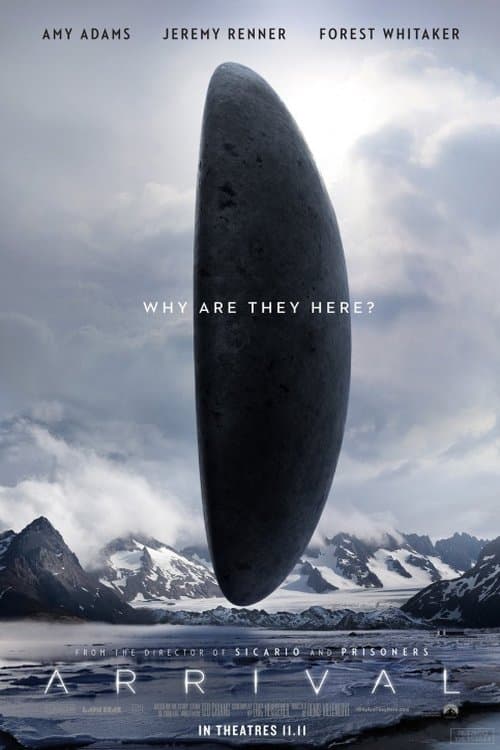
1. Arrival — What You Do With a Future You Already Know the Shape Of
Arrival sits at the top because it asks a question most films never approach: whether you would choose a loved thing again if you understood what it would cost.
Watching this, you may find yourself reconsidering how much of your caution is really a wish to be spared. The film does not argue the point. It builds a patient, hushed attention in which the question simply becomes available to you, and Adams carries it almost entirely in her listening. We stay with what it asks of you in Arrival ending explained, and if you want the neighbors it keeps, movies like Arrival gathers them.
2. Nocturnal Animals — The Story You Tell Yourself About What You Chose
Nocturnal Animals is the least comfortable film on this list and one of the most honest.
Its subject is a life that looks settled from the outside and has quietly stopped being the one its owner wanted. This film may shift how closely you examine the decisions you describe as sensible. It belongs squarely to Identity Shift, and it works best when you arrive prepared to be a little implicated.
3. The Master — The Wish to Be Told What to Believe
Paul Thomas Anderson's film is mostly about two men, and Adams is in the room for the part that explains the rest.
What stays with you is not an event but a mood: how appealing certainty is, how a confident voice can feel like relief, and how long a person will stay near that relief after they have stopped trusting it. Watching this, you may find yourself noticing which voices you have handed your uncertainty to. Her restraint here is the point — the character rarely raises her tone, and the quiet is where the pressure lives.
4. Her — The Friend Who Notices You Changing
Adams has a supporting role in Spike Jonze's film, and it is the human anchor of a story about intimacy with something that is not human.
Her scenes are small, domestic and unforced, and they carry a specific shift: the recognition that being witnessed by someone who knows you is its own kind of closeness, separate from romance. If the larger question interests you, Ex Machina approaches artificial companionship from the opposite temperature, and the theme page for Consciousness and AI sits nearby.
5. Enchanted — Whether Wonder Survives Contact With Real Life
It would be easy to leave Enchanted off a list like this, and that would be a mistake.
Beneath the comedy is a gentle test of a belief most adults put away: that the world might answer sincerity with sincerity. Adams plays it without irony, which is why it works. You may find yourself noticing what you stopped hoping for and when. It is the warmest entry here and a good evening for someone who wants the shift without the weight.
6. Big Eyes — Whose Name Is on the Work
Tim Burton's film turns on a quiet question about voice: what it means to make something real and let someone else carry the credit for it.
The shift is practical rather than metaphysical. Watching this, you may find yourself taking stock of where you have been agreeable at the expense of being seen, and what that agreeableness has been protecting. Adams keeps the character soft for most of the film, which is exactly what makes the pressure visible.
7. Doubt — Living Inside a Question You Cannot Close
Doubt is a chamber piece about conviction, and Adams plays the person caught between two certainties.
It will not tell you who is right, and that refusal is the offering. The film builds a patient appreciation for how much of moral life is spent holding a suspicion you cannot confirm. If unresolved endings are what you came for, Interstellar ending explained and Annihilation ending explained cover two films built on the same refusal, from very different angles.
What Connects Them: The Cost of Staying Open
Put the list side by side and the pattern is not genre, and it is not even character type. It is a specific posture toward other people: staying open when closing would be easier.
In the top films that openness is rewarded with something difficult. In the middle films it is exploited, tested or quietly worn down. In the lighter ones it is simply allowed to exist, which is its own kind of gift. You can read the whole filmography as one long question about how much hope a person can responsibly carry, and Adams answers it differently each time without ever playing the answer as a lesson.
That consistency is also why the same actress can headline a time-bending science fiction film and a children's fairy tale and have both feel like they belong to the same body of work. Her projects are connected by what they ask of you, not by what happens in them.
How to Watch an Amy Adams Performance for the Shift
Watch her listening, not her speaking.
Much of the real information in these performances sits in the moments where the character is receiving something — a statement, a silence, a piece of news — and deciding whether to let it change her. If you wait for the scene everyone quotes, you will catch the acting and miss the shift. Try watching one film twice, once for the story and once only for what her face does while someone else is talking.
Frequently asked questions
What are the best Amy Adams movies?
Ranked by what they leave in you rather than by awards, Arrival comes first, followed by Nocturnal Animals and The Master. Arrival holds the top position because it asks whether you would choose something again knowing what it would cost.
What Amy Adams movie should I watch first?
Start with Arrival if you want the film that fits this site best, or Enchanted if you want the gentlest way into her work. Both reward giving them your full attention, and neither requires background.
Which Amy Adams movies are good for thinking about identity?
Nocturnal Animals and The Master are the strongest, for different reasons: one examines a life built on a decision, the other the pull of someone else's certainty. For a wider set, our collection of movies that make you question reality ranges beyond one actress.
Are Amy Adams movies worth rewatching?
Several are, for a specific reason: her key moments tend to sit in quiet reaction rather than dialogue, which is hard to catch while you are still following the story. Arrival and Nocturnal Animals both change on a second viewing, less from details you missed than from what you notice her not saying.
A ranking like this is really a claim about aftermath — which films are still doing something in you a week later. We apply the same measure to a director in Denis Villeneuve movies ranked by what they shift in you, where Arrival meets the rest of a very different body of work.
Want one film like this every Friday? Join the Friday MindShift.