Movies for Spiritual Growth — Films That Meet You Where You Are
Movies for Spiritual Growth — Films That Meet You Where You Are
The best movies for spiritual growth do not preach, and they do not hand you a belief to adopt. They create a particular quality of attention in you, and then leave you alone with it. These seven films are ordered by the inner capacity each one exercises: noticing, practice, trust, connection, release, presence, and acceptance.
What Makes a Film Work for Spiritual Growth
Spiritual films are often assumed to be films about religion, monks, or mountaintops. Most of the ones that actually change something in a viewer are about none of those. They are about a person whose usual way of holding life stops working, and who has to find another way to stand inside it.
That is a useful test. A film that tells you what to believe is a sermon. A film that makes you more awake to your own days is closer to a practice. Each film below is chosen for the second quality, and for the specific muscle it asks you to use.
If you arrive here in a heavier season, films to watch when you feel lost meets that state directly. This list is for the quieter question underneath it: what do you want to grow toward?
Films for Spiritual Growth, Organized by What They Shift in You
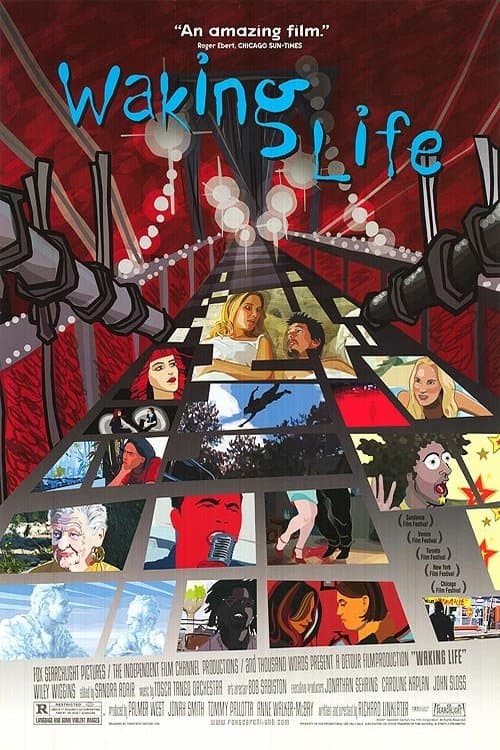
Noticing That You Are Awake in Your Own Life — Waking Life
Waking Life does not ask you to follow anything. It asks you to listen, the way you might listen to a long conversation with a stranger on a train, without needing it to resolve.
Watching this, you may find yourself noticing how rarely you let a question stay open without reaching for an answer. The film is a rehearsal for that skill. It belongs close to the Awakening theme, and it works best on an evening with nothing scheduled after it.
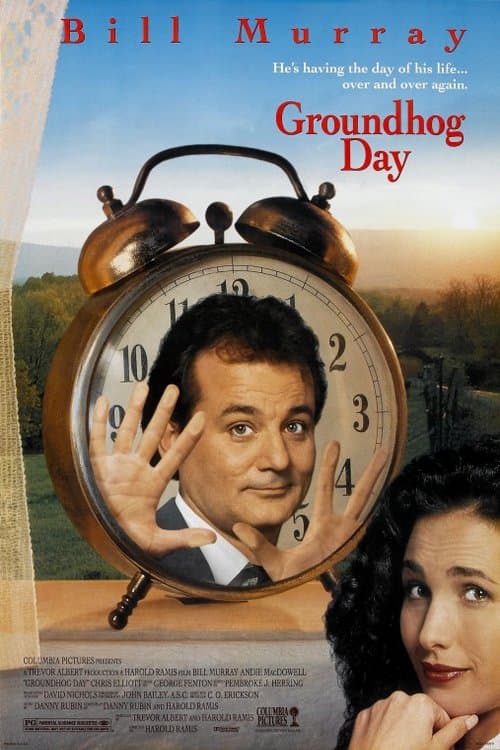
Treating Repetition as Practice — Groundhog Day
Groundhog Day is the most accessible spiritual film on this list, which is partly why it is easy to underestimate. Underneath the comedy is a quiet argument about what a day is for, and whether you have been treating yours as something to get through.
This film may shift how you see your own routines: not as a trap, but as the exact ground where a person changes. It pairs naturally with best time loop movies, which follows the same question through five more films.
Trusting What You Cannot Prove — Life of Pi
Life of Pi is built around a question most adults avoid, because it is uncomfortable to hold honestly: how do you relate to a story that gives your life meaning when you cannot verify it?
The film does not push you toward faith or away from it. It builds a patient respect for the human need to make sense of suffering, and for the gentleness required when you meet someone else's way of doing it. You may find yourself asking which of your own stories you have defended harder than you have examined.
Feeling Yourself as Part of Something Larger — Cloud Atlas
Cloud Atlas takes an unusual shape for a film about connection: it does not explain how lives touch each other, it simply lets you feel that they do. The effect is closer to a change in posture than an idea.
Watching this, you may find yourself loosening the boundary between your own story and everyone else's. It is a good companion for anyone drawn to the Consciousness theme, and it rewards a second viewing, when you are no longer working to keep track.
Letting Something Go Without Forcing the Ending — Eternal Sunshine of the Spotless Mind
Eternal Sunshine of the Spotless Mind is about attachment, and about how much of it we mistake for love. It is also one of the warmest and most honest films about grief and release.
This film may shift what you believe you need to be rid of in order to feel whole. It does not offer a technique. It offers the experience of watching someone find out that the thing they wanted to erase was part of who they are. It sits squarely in Letting Go of Control.
Being Here Instead of Waiting for Your Purpose — Soul
Soul is a family film that carries a surprisingly contemplative core: the suspicion that a good life is built out of attention to ordinary things, not out of a single defining achievement.
If you have ever treated presence as something you will get to once your life is arranged properly, this film gently interrupts that plan. It leaves you with a small, practical question about what you have been walking past.
Accepting What Arrives Before You Understand It — Arrival
Arrival closes the list because it asks the hardest and quietest thing: to meet life with open attention when you do not yet know what it will cost you.
It is less about an event than about a stance. Watching it, you may find yourself reconsidering how much of your caution is really a wish to be spared. We stay with what it asks of you in Arrival ending explained, and the wider territory it opens is mapped in best consciousness movies.
How to Watch Movies for Spiritual Growth
How you watch matters as much as what you watch. Three small habits change the experience more than any choice of title.
- Watch one film, then stop. A second film in the same evening dilutes the first.
- Leave the credits running. The shift often lands in the first few minutes of silence, not during the film.
- Write one sentence. Not a review. Just what you noticed in yourself.
If you want a wider frame for using film this way, movies that make you question reality explores the same practice from the direction of perception.
Frequently asked questions
What are the best movies for spiritual growth?
The strongest are films that build attention rather than argue a belief, such as Waking Life, Groundhog Day, Life of Pi and Cloud Atlas. Each exercises a different capacity: noticing, practice, trust and connection.
What movie should I watch first for spiritual growth?
Start with Groundhog Day if you want the most accessible entry, or Soul if you want something gentle. Both reward your full attention and neither requires any background.
Do movies for spiritual growth have to be about religion?
No. Most of the films that change viewers are not about religion at all. They are about a person whose usual way of holding life stops working, which is the experience most spiritual traditions are actually built around.
How can a movie help with inner change?
A film cannot do the work for you, but it can create the conditions for it: sustained attention, an emotion you let yourself feel fully, and a question you carry into the next day. Watching with the credits left running and one sentence written afterward helps the shift last.
Are there movies for spiritual growth when you feel stuck?
Yes. Groundhog Day and Eternal Sunshine of the Spotless Mind are two of the most useful, because both treat a stuck place as the setting for change rather than something to escape.
Growth rarely announces itself during a film. It shows up a few days later, in how you listen to someone or how you spend an ordinary Tuesday. Which of these seven asks the thing you have been avoiding?
Want one film like this every Friday? Join the Friday MindShift.