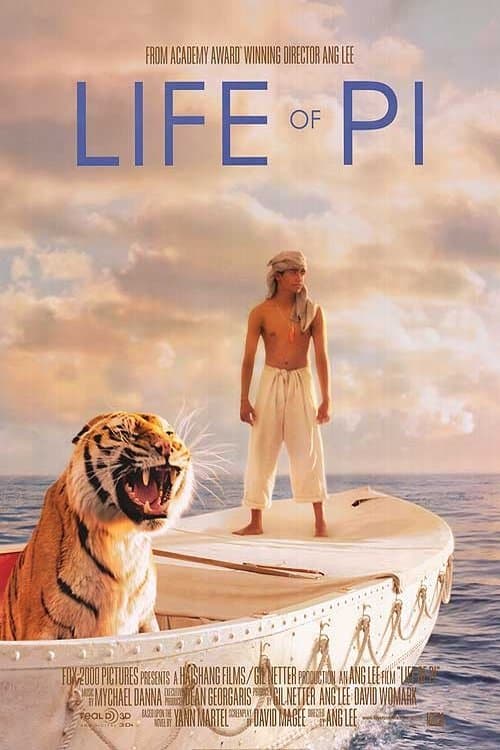
Life of Pi
A man survives an ordeal that defies logic and asks the world to choose which version of his story to believe. The film invites you into the paradoxical space where truth and bearability diverge-where the story you tell yourself about suffering becomes the story you survive with. The central shift is recognizing that meaning is not discovered in suffering but authored in how you choose to carry it. The film doesn't ask 'what really happened'; it asks 'what kind of life do you build from what you've endured?' There is a quiet insistence here that faith-in something, anything-is a form of wisdom regardless of whether that faith corresponds to any objective truth. It asks: can you honor both what happened and the meaning you make from it?
What Life of Pi may shift in how you see everyday reality
This film may shift your understanding of truth from something objective and absolute into something negotiated between survival and meaning. Watching this, you may find yourself questioning what story about your own suffering you choose to carry forward.
Questions to hold after watching Life of Pi
What version of a painful memory would you choose to carry if you could?
Can faith be wise even if what you have faith in is not real?
How do you distinguish between the truth of what happened and the truth of how you survived it?
What surprising beauty or clarity have you found inside your own suffering?
Life of Pi themes worth sitting with
- which story about your own suffering you prefer - and why
- the relationship between what is true and what is bearable
- whether faith in something larger helps you survive the unsurvivable
- the version of your past that gives your life the most meaning