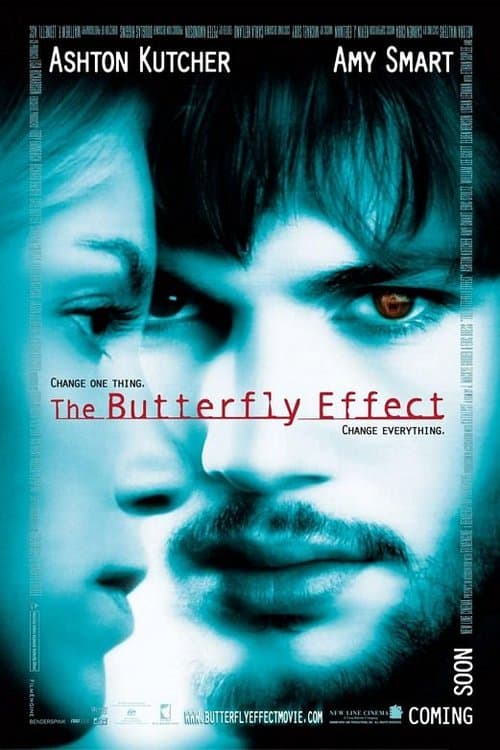
The Butterfly Effect
A man discovers he can enter his younger body across different timelines to alter the past, and repeatedly sacrifices his own happiness—sometimes his own existence—trying to save one person from suffering. The film's enlightenment is radical: recognizing that true love is not possession or rescue, but willingness to erase yourself rather than let her suffer. His cognitive shift spans competing timelines and fragmented memories, each attempt at salvation deepening his understanding that he cannot save her—he can only surrender his own claim to happiness. The film suggests that enlightenment arrives through repeated self-erasure, the ego's willing dissolution into an endless loop of sacrifice.
What The Butterfly Effect may shift in how you see everyday reality
This film may shift your understanding of love from something that saves into something that sacrifices. Watching this, you may find yourself questioning what you would erase about your own existence if it meant one person wouldn't suffer.
Questions to hold after watching The Butterfly Effect
What part of yourself would you be willing to erase to save someone you love?
Is there a version of you that would willingly suffer so another person wouldn't have to?
What does love look like when it means destroying your own claim to happiness?
Can you accept that saving someone might require sacrificing yourself completely?
The Butterfly Effect themes worth sitting with
- what it means to love someone more than you love existence itself
- the paradox of trying to fix someone by erasing yourself
- whether self-sacrifice is noble or delusion
- the enlightenment that comes from accepting you cannot save anyone but can erase yourself