Movies Like The Matrix That Challenge Perception
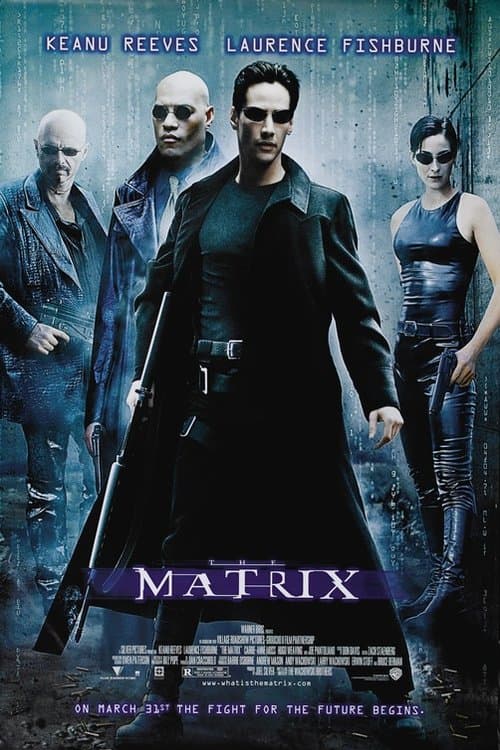
The Matrix does something specific: it uses science fiction to ask a philosophical question you can't unfeel after you've felt it. What if the life you're living is a constructed version of reality? What if your senses, your memories, and your experience of the world are being managed by something you can't see?
That question has been explored by a lot of films — before The Matrix and after it. Some are quieter about it. Some push harder. Some come at it sideways, from memory or identity or dreams. But each one leaves you with a version of the same strange discomfort: the nagging sense that something about what you assumed to be solid might not be.
Here's where to go next, and what each film asks differently.
The Thirteenth Floor (1999)
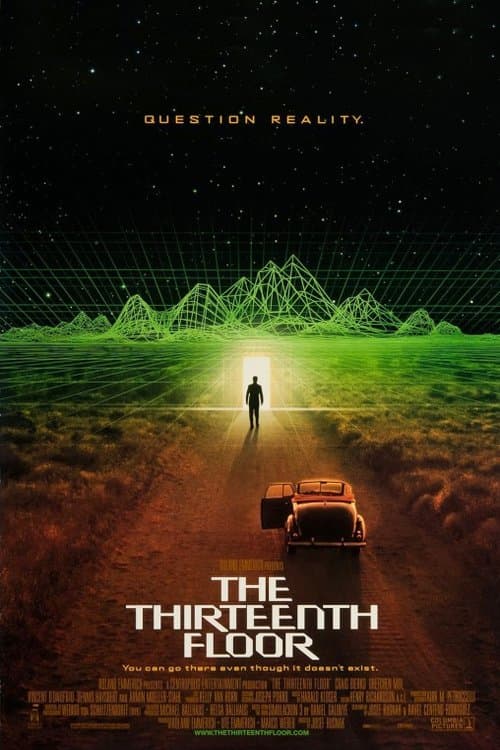
Made the same year as The Matrix but with almost none of its cultural footprint, The Thirteenth Floor is possibly the most direct philosophical companion to the simulation question. A man investigating a murder discovers that the world he lives in is itself a simulation — and the film keeps going, stacking another layer on top.
What it adds to The Matrix's question: not just are we in a simulation, but does that change how we're obligated to treat the people inside it? If consciousness exists inside a constructed world, does that consciousness matter less? The film is quieter and more melancholy than The Matrix, but it lands somewhere The Matrix doesn't quite reach.
Dark City (1998)
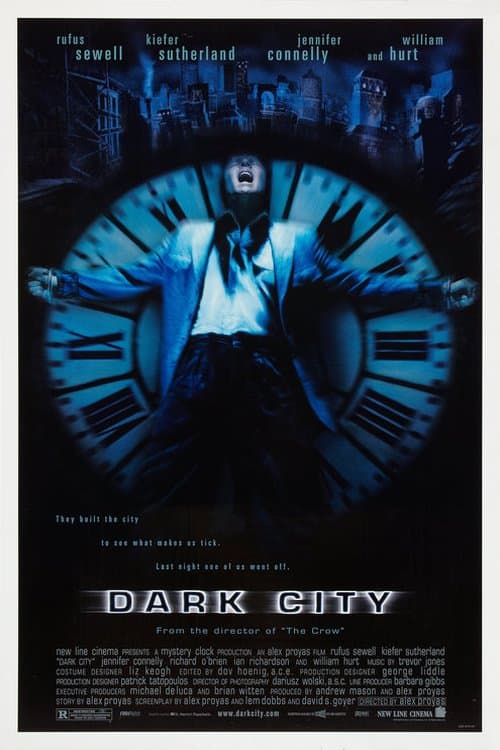
A year before The Matrix, Dark City built the same premise with a noir aesthetic and a more expressionist visual language. A man wakes up with no memory in a city that physically reshapes itself each night — the buildings move, histories are rewritten, identities are shuffled. The Strangers who control the city are studying humanity, trying to understand what makes a person who they are.
The film asks whether identity is memory, place, or something underneath both. It's less about escaping a false reality than about what you discover remains when everything external is stripped away.
They Live (1988)
John Carpenter's film is blunter and funnier than the others on this list, but it's asking the same question through a different lens. A man finds a pair of sunglasses that reveal hidden messages embedded in every advertisement, every TV broadcast, every newspaper. The subliminal commands are everywhere: Consume. Obey. Sleep.
Where The Matrix's red pill reveals a constructed digital world, They Live's sunglasses reveal a constructed social world — a reality engineered through media and consumerism to keep people compliant. The perception being challenged here isn't metaphysical, it's political. And the film asks the same uncomfortable question: once you can see it, can you look away?
The Truman Show (1998)
The Truman Show makes the premise intimate. Truman Burbank has lived his entire life inside a television set — a perfect, controlled world built around him — without knowing it. Everyone he's ever loved has been an actor. Every "coincidence" has been scripted.
What the film does better than most: it shows you what it feels like to begin to suspect. The small glitches. The lights that fall from the sky. The radio station accidentally broadcasting your location. It's a film about the specific terror of noticing something that everyone around you is invested in you not noticing — and what it costs to trust your own perception when reality keeps insisting you're wrong.
eXistenZ (1999)
David Cronenberg's contribution to 1999's wave of reality-questioning films is the strangest and most unsettling. A game designer plugs directly into an organic game system, and the film immediately begins collapsing the layers of what's real. Players enter the game. Things happen inside the game. The game ends — or does it?
eXistenZ isn't interested in resolution. It's interested in making you feel the instability. By the final scene, you're not sure whether any of what you watched was real, and the film seems amused by your discomfort. It pushes the question further than The Matrix: not just is this reality fake, but does that question even have a stable answer?
Total Recall (1990)
Paul Verhoeven's film is louder and more visceral than the others, but the philosophical core is the same. A man discovers that his memories may be implanted — that the person he thinks he is might be a constructed identity placed over someone else. The film never resolves whether what we're watching is real or a dream he paid for.
The question it adds: are you your memories? If every experience you can recall has been fabricated, what's left of you? This is the identity version of the simulation question, and Total Recall is messier and more fun than most films willing to ask it.
Inception (2010)
Christopher Nolan's dream-heist film is the most architecturally complex entry on this list. It builds nested layers of reality — dream inside dream inside dream — and uses them to ask a question that's less about simulation and more about grief: what does it cost to stay inside a dream rather than face the waking world?
For all its complexity, Inception's core is about a man who built a false world inside his mind because he couldn't bear losing someone. The spinning top at the end isn't just a puzzle — it's asking whether you've been watching a film about reality or a film about what we do to avoid it.
Waking Life (2001)
The slowest and most philosophical film on this list — and the one most willing to sit inside the question without wanting to resolve it. Richard Linklater's rotoscoped dream odyssey follows a young man drifting through a series of conversations about consciousness, free will, lucid dreaming, and the nature of reality, unable to tell whether he's awake or not.
Unlike most of the films here, Waking Life doesn't have a plot to hide behind. It's almost entirely people talking about the question The Matrix dramatized. If you want the ideas without the action, this is where they live.
What makes a film a true perception-challenger
The best films in this category don't just use the "everything is fake" reveal as a plot twist. They use it to force a genuine question: what are you holding as real that might not be?
That question has different answers in different films. In The Truman Show it's about the stories you've been told about who you are. In Inception it's about the inner worlds we build to escape grief. In They Live it's about the invisible architecture of culture and power.
The Matrix opened a door. These films walk through it from different directions — and some of them end up somewhere The Matrix wasn't quite willing to go.