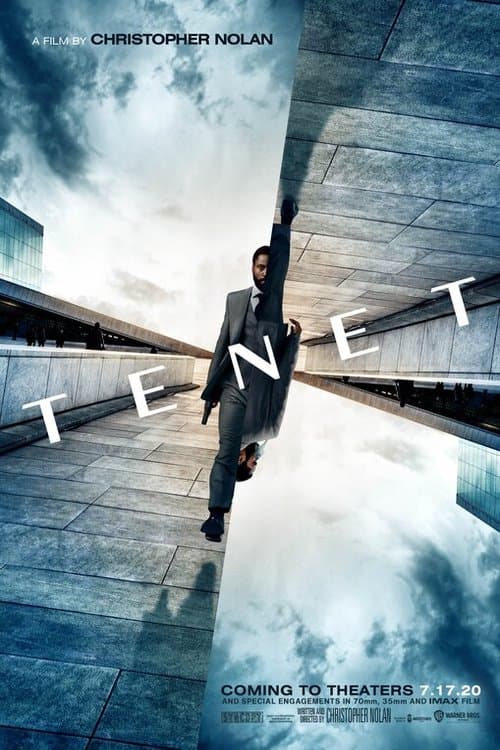
Tenet
A spy discovers that humanity is engaged in a hidden war across time and must learn to accept a universe where past, present, and future coexist simultaneously. The film asks not 'how can I change fate' but 'how can I act righteously when the outcome is already written?' You're drawn into the spiritual paradox of free will within predestination—choosing to play your part flawlessly even though you cannot escape your role. The central shift is moving from the ego's demand for control to faith in the mechanics of the universe. The film suggests that true enlightenment comes from surrendering individual ambition to serve a cosmic purpose larger than yourself, acting selflessly for a world that will never know your sacrifice.
What Tenet may shift in how you see everyday reality
This film may shift your understanding of control from something necessary into something futile. Watching this, you may find yourself questioning whether accepting a predetermined future could be an act of faith rather than surrender, and whether serving something larger than yourself might be the deepest freedom.
Questions to hold after watching Tenet
If the future and past are equally real, what does that mean for your choices now?
How would you live differently if all moments existed at once?
Can you accept a future you cannot change because it's already determined?
What would it mean to live backward, undoing what you've already done?
Tenet themes worth sitting with
- the nature of causality and whether effect can precede cause
- how your understanding of time shapes your sense of agency
- the acceptance of predetermined moments you cannot alter
- the relationship between past, present, and future as simultaneous