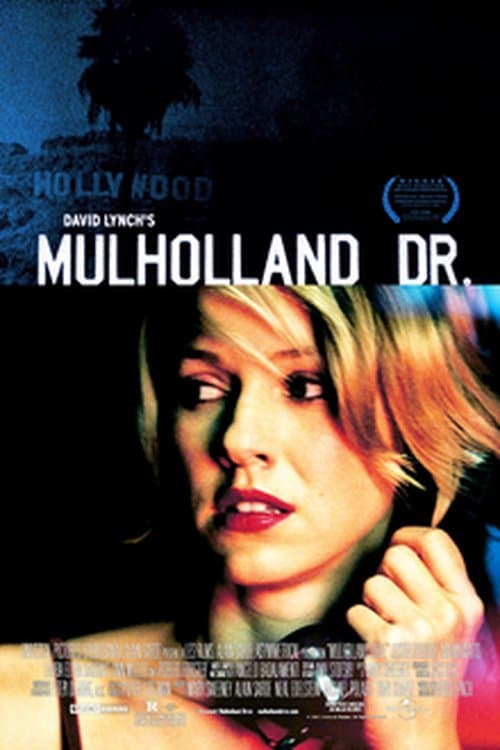
Mulholland Drive
A woman's entire dreamscape of success and love collapses, revealing itself as an elaborate defense mechanism constructed to escape unbearable guilt and failure. The film asks not 'what is real' but 'what painful truth are you refusing to face?' You're drawn into the recognition that the glamorous identity you've built is maya—a spiritual illusion masking a devastating inner reality. The central shift is the tragic awakening to karmic consequences: the choices driven by jealousy, ambition, and darkness create a cosmic debt that cannot be escaped or rewritten. The film suggests that spiritual reckoning is unavoidable, and that the illusions we construct to protect ourselves ultimately become the very traps that destroy us.
What Mulholland Drive may shift in how you see everyday reality
This film may shift your relationship with narrative itself—the stories you tell about your own life. Watching this, you may find yourself questioning whether the version of events you remember is the truth, or another version entirely.
Questions to hold after watching Mulholland Drive
How much of your life story have you reconstructed to make it bearable?
Is the version of your past you remember the truth, or a story you've told yourself?
Can multiple contradictory versions of your own life both be true?
What part of you is living in the dream, and what part is waking?
Mulholland Drive themes worth sitting with
- the unreliability of your own narrative about your own life
- how identity fragments when the story you tell falls apart
- the possibility of simultaneous contradictory realities
- what happens when you cannot trust your own memory